Media Release: Sovereignty starts upstream: nine in ten British Columbians say fresh water is a matter of national security
September 14, 2026
UBCM 2026: Momentum Is Building for Watershed Security in B.C.
September 24, 2026
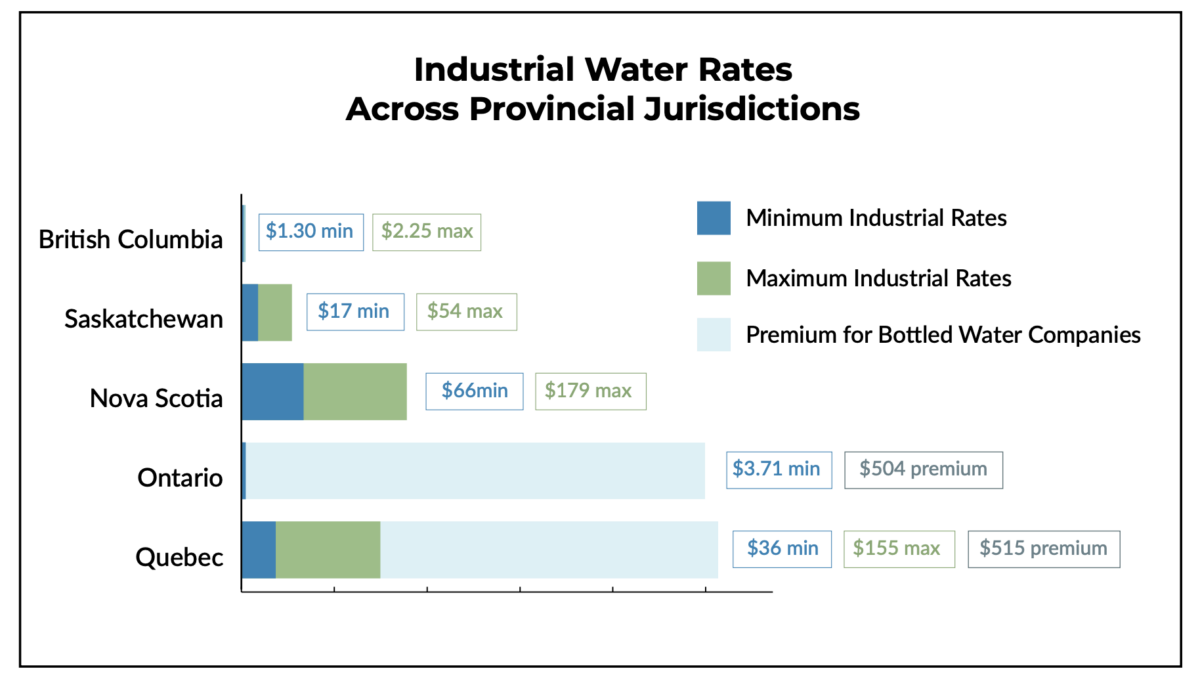
Dave Zehnder: Modernizing industrial water rates — B.C. industries pay among the lowest rates in the country — could support the province's Watershed Security Fund to deliver collaborative solutions without burdening taxpayers or farmers
When a river runs dangerously low, who gets the last water: a farmer trying to save a crop, or a salmon trying to survive?
As B.C. experiences more frequent and severe droughts, conflicts over that question are becoming increasingly common. A forecast super El Niño makes it likely water deficits in many regions will carry into next year, raising the potential for conflict higher.
This summer, in the Salmon River watershed, the province banned irrigation to protect Chinook salmon in July, then reversed the order amid wildfire concerns. In mid-August, with flows still low, it re-imposed the ban, and issued another in early September in nearby Bessette Creek watershed. These decisions fuelled debate over whether fish or farms should take priority.
Fish versus farms is a false choice. But we’ll see more of these conflicts if the province waits until rivers run dry to decide how scarce water should be shared.
As a rancher and watershed steward, I know that farmers have a stake in healthy rivers. Our livelihoods depend on water, and no one benefits when emergency orders become the only option.
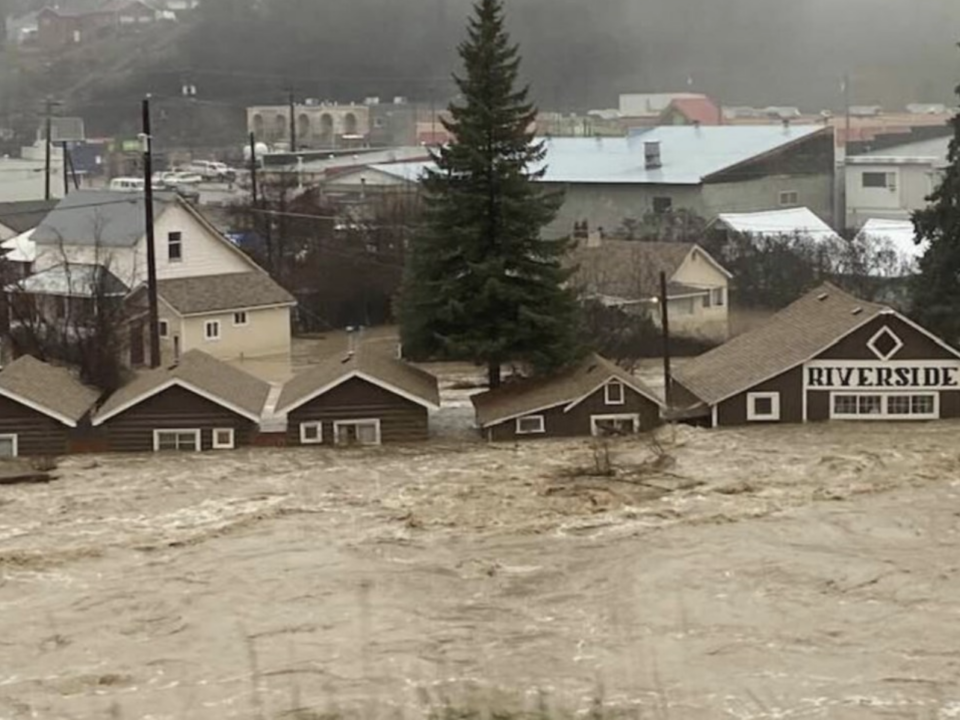
The urgency is clear. Severe drought and wildfire gripped much of the province this summer. Several B.C. Interior watersheds hit the highest level on the provincial drought scale. Salmon struggled in warm rivers. Farmers in productive agricultural regions may not have enough water to finish the growing season.
Governments need to create the conditions for people to work together before a crisis hits. When farmers, First Nations, local governments and watershed experts have the resources to work together, they can find practical ways to support food production while maintaining flows for fish.
We don’t have to imagine what that looks like. I’ve seen it firsthand in the Koksilah watershed on Vancouver Island.
The Koksilah River is central to the cultural identity of Cowichan Tribes, but decades of development and a warming climate have left it vulnerable. In 2019, low streamflows triggered the first emergency fish protection order under B.C.'s Water Sustainability Act, restricting agricultural and industrial water use. Similar orders followed in 2021 and 2023.
Those measures protected river flows but imposed significant costs on farming families, deepening divisions within the community.
Instead of waiting for the next crisis, local farmers, First Nations, watershed leaders and technical experts came together to find a better way. Farmers voluntarily adopted low-flow irrigation scheduling, reducing peak water demand during the driest periods and leaving more water in the river when fish needed it most.
Irrigation scheduling is no panacea, but water monitoring shows that this cooperative approach has reduced pressure on the river. No fish protection orders have been required since 2023.
The region is also moving beyond emergency response. First Nations, the province, farmers, local governments and watershed experts are developing B.C.'s first legislated Water Sustainability Plan to drive solutions that restore the river’s long-term health and make emergency water shutoffs the exception rather than the rule.
Investing in collaborative solutions before crises unfold is exactly the kind of work B.C. needs to accelerate.
Solutions will vary by watershed, from more efficient irrigation to new water storage, to more drought-tolerant crops or programs that compensate farmers for leaving more water in streams during extreme drought. There is no single answer. The people who live and work in each watershed are best positioned to determine the right mix of tools.
Sustained collaboration requires sustained funding. B.C.’s Watershed Security Fund can deliver those investments, but it needs funding to match the scale of the challenge. Modernizing industrial water rates – B.C. industries pay just $2.25 per million litres of water, among the lowest rates in the country – could generate that funding without burdening taxpayers or farmers.
The choice facing British Columbia is not between fish and farms. It is between reacting to each drought with emergency orders or investing in the partnerships and planning that make those emergencies less likely.
Farmers are ready to do their part. Communities across British Columbia are ready to do theirs. The question is whether the province is ready to do the same.
Dave Zehnder is a rancher at Zehnder Ranch and a member of the Koksilah Low Flow Working Group.